
Glaucoma
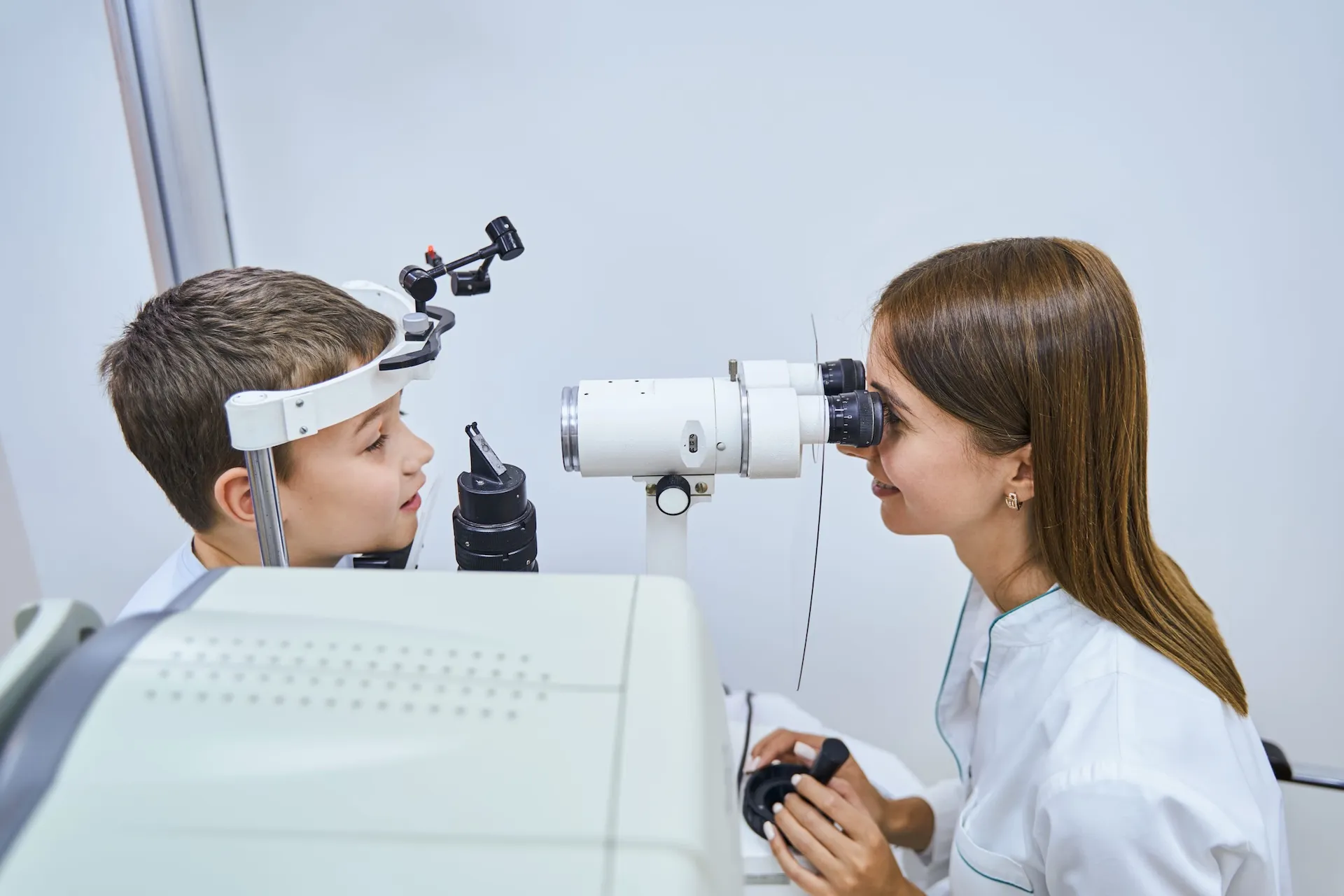
Glaucoma is a group of eye diseases that damage the optic nerve, most often due to elevated eye pressure. Vision loss is irreversible, making early detection and consistent treatment essential to preserve sight.
Glaucoma
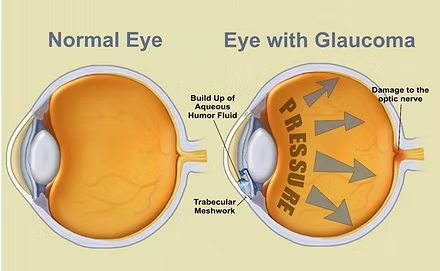
Glaucoma is a group of eye diseases that damage the optic nerve, most often due to elevated or poorly tolerated eye pressure. Glaucoma is especially concerning because the vision loss it causes is irreversible. It typically affects peripheral vision first, meaning patients often do not notice symptoms until significant damage has already occurred. Importantly, glaucoma treatments do not restore lost vision—they are designed to prevent further damage. This makes long-term adherence to treatment and regular follow-up visits critical, even when vision seems stable. With early detection, consistent care, and close monitoring, glaucoma progression can often be slowed enough to preserve useful vision for life. The central principle of glaucoma care is lowering eye pressure, regardless of the specific type.
Types of Glaucoma

The most common form, open-angle glaucoma develops slowly as the eye's drainage system becomes less efficient over time.
Causes similar optic nerve damage despite eye pressures that fall within the normal range, making careful monitoring especially important.
Occurs when the drainage angle becomes narrow or blocked, sometimes suddenly, leading to dangerous pressure spikes.
A more severe form caused by abnormal blood vessel growth, usually related to conditions like diabetes or retinal vein occlusion, and can be particularly difficult to treat.
Treatment Approach
Often the first line of treatment, eye drops work by either reducing fluid production or improving drainage. Their effectiveness depends heavily on consistent daily use, which is one of the biggest challenges in glaucoma care.
Treatments such as selective laser trabeculoplasty or laser iridotomy in narrow angles can improve drainage or prevent angle closure and may reduce or eliminate the need for drops in some patients.
Often used in mild to moderate disease, MIGS procedures aim to improve the eye's natural drainage with a strong safety profile, frequently performed at the time of cataract surgery.
In more advanced or aggressive cases, filtering surgeries such as trabeculectomy or tube shunt implantation create a new pathway for fluid to leave the eye and provide more substantial pressure lowering, though they require closer follow-up and carry higher risk.
More Services
Pan Retinal Photocoagulation
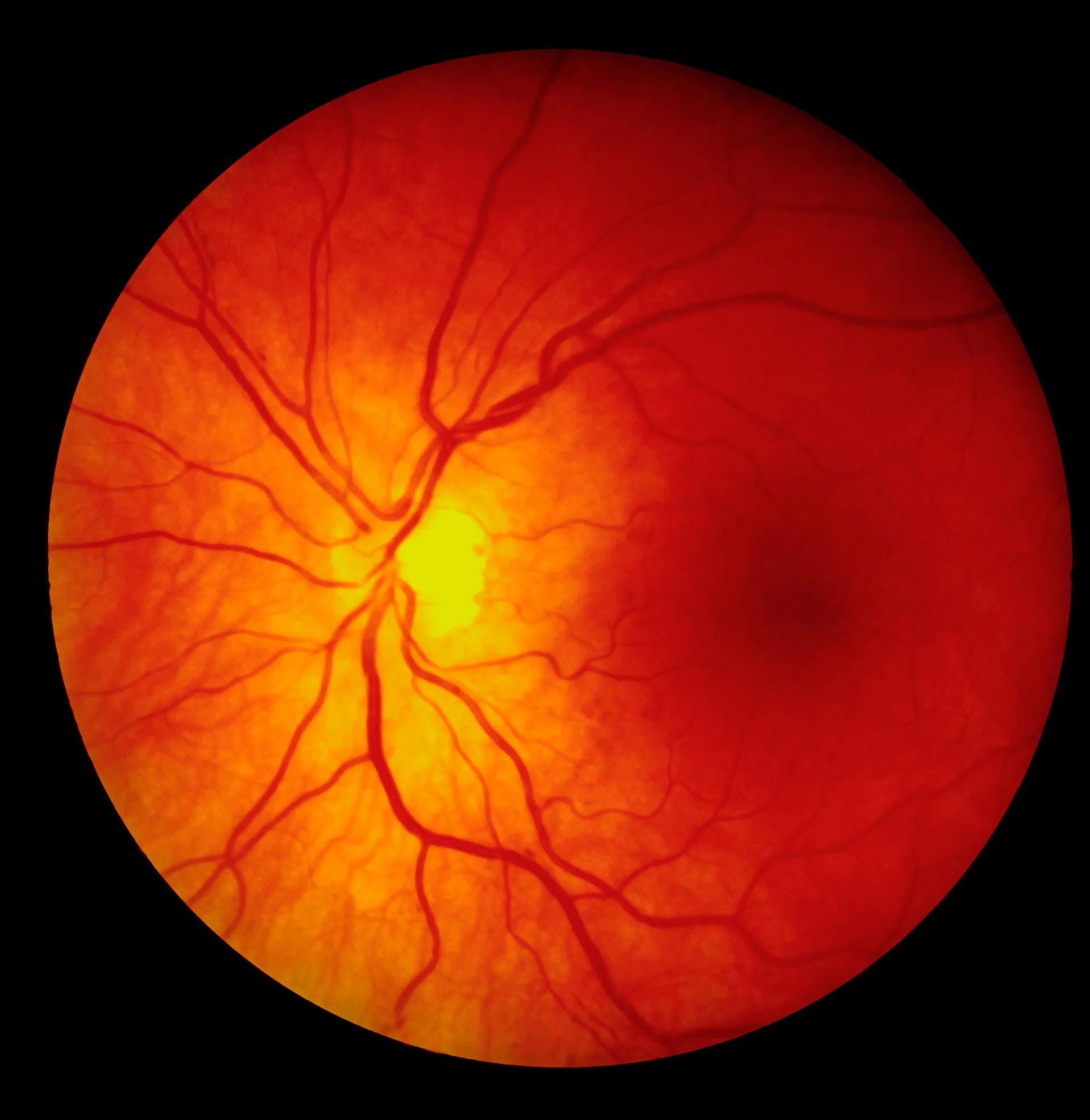
A laser treatment that reduces abnormal blood vessel growth in the retina by applying small burns to the peripheral retina, helping preserve vision in conditions like diabetic retinopathy.
Chalazion Excision
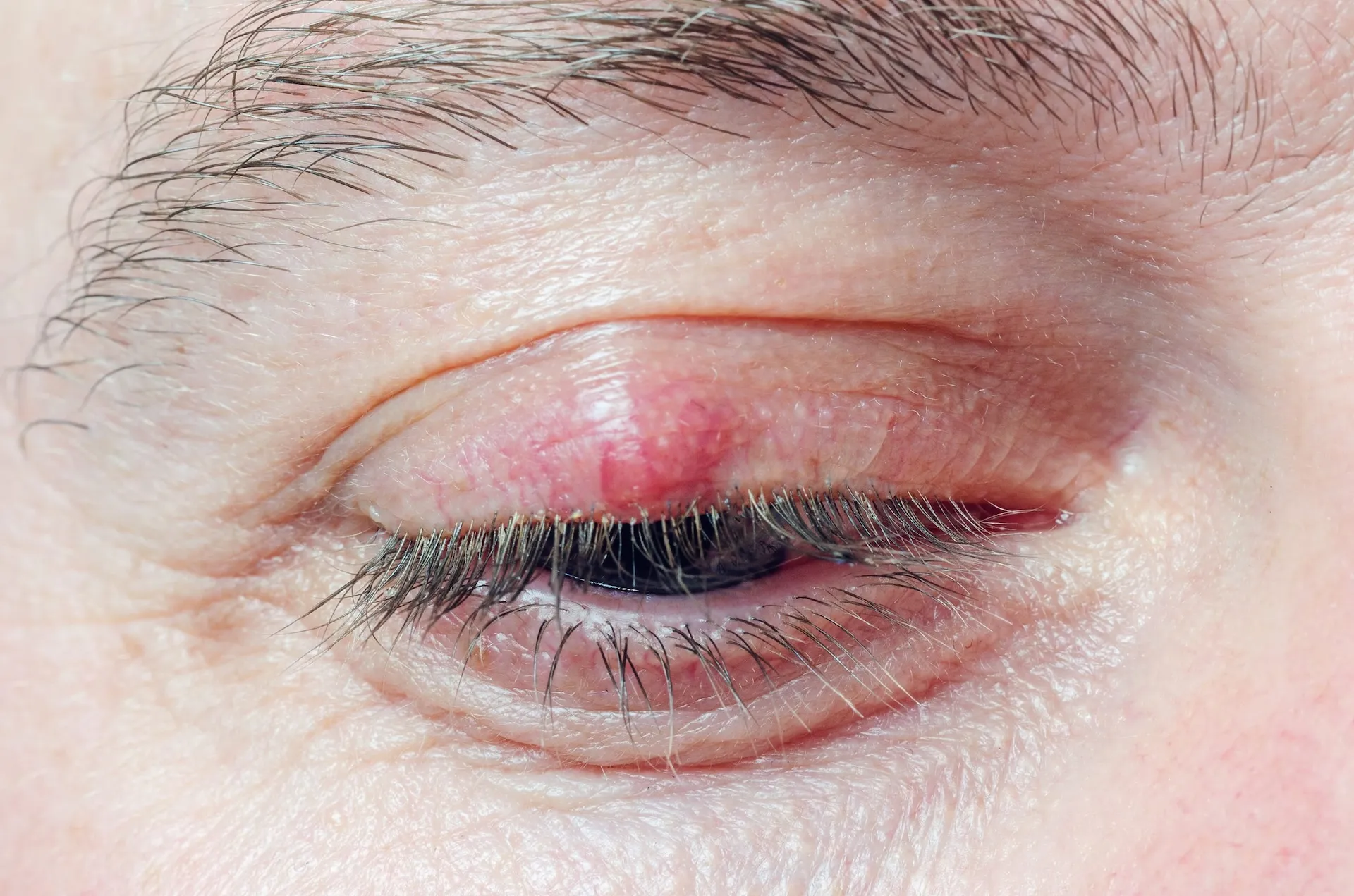
A minor surgical procedure to remove a chalazion (blocked oil gland lump) when conservative treatments have not worked, restoring normal eyelid appearance and comfort with minimal recovery time.
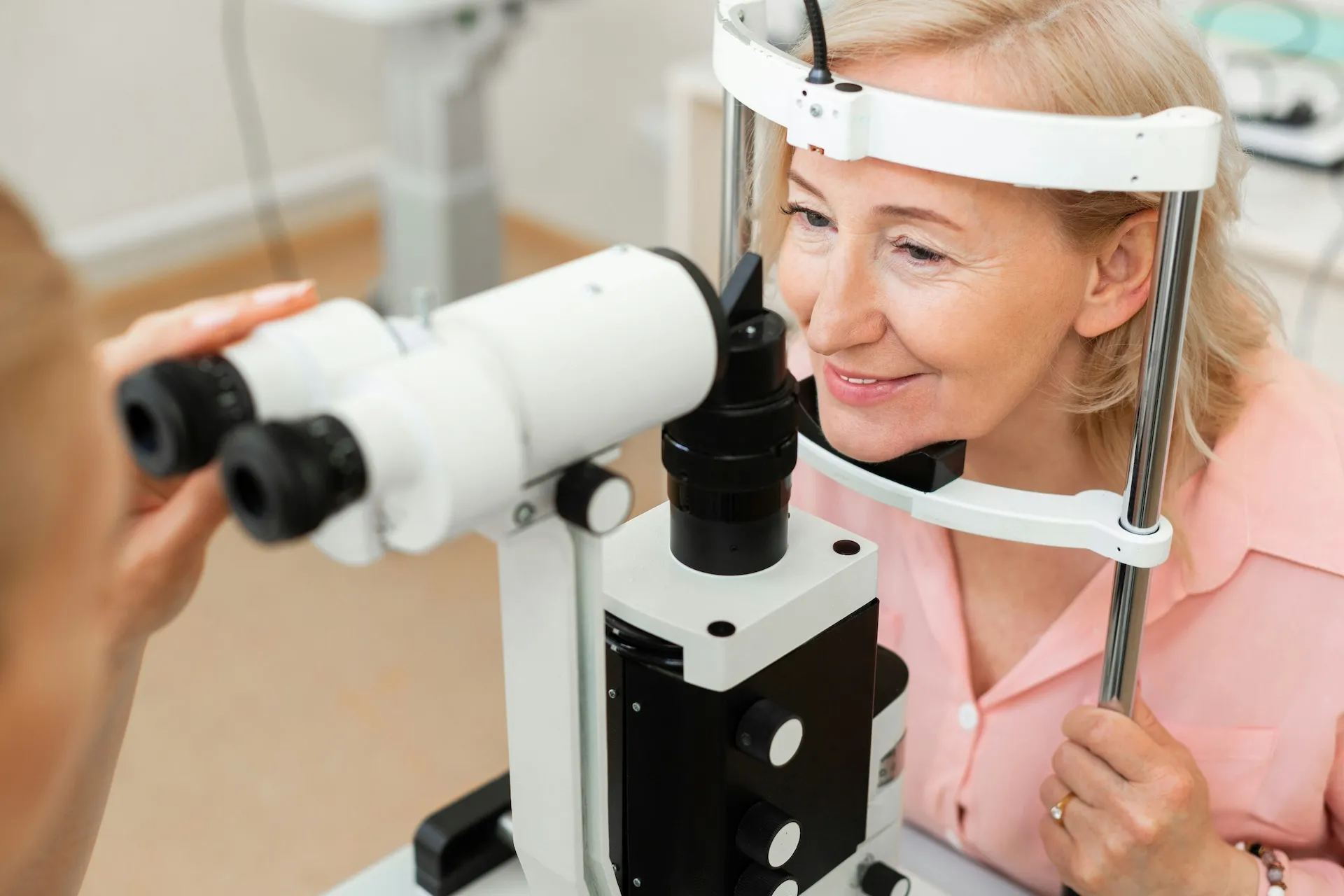
Comprehensive Exam
We provide thorough eye examinations using advanced diagnostic technology to evaluate your entire eye and screen for conditions like glaucoma, cataracts, and macular degeneration.
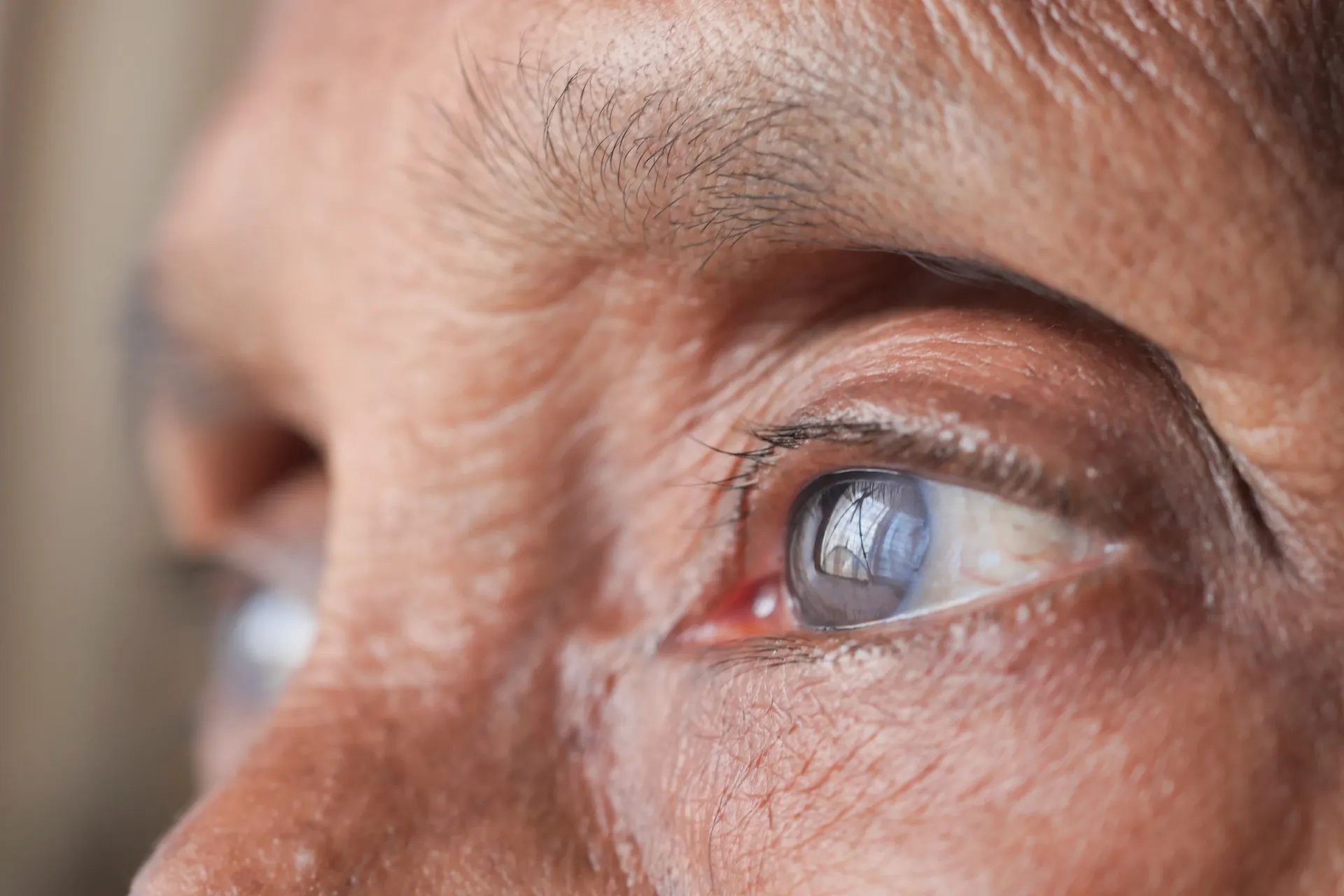
Pterygium Excision
Pterygium surgery removes an abnormal tissue growth from the eye's surface to relieve irritation, improve vision, and prevent further progression, using techniques to minimize recurrence.
See Life More Clearly
Whether you need advanced surgical care or specialized treatment for a complex eye condition, our experienced team is here to help protect and improve your vision. Schedule your appointment today.