
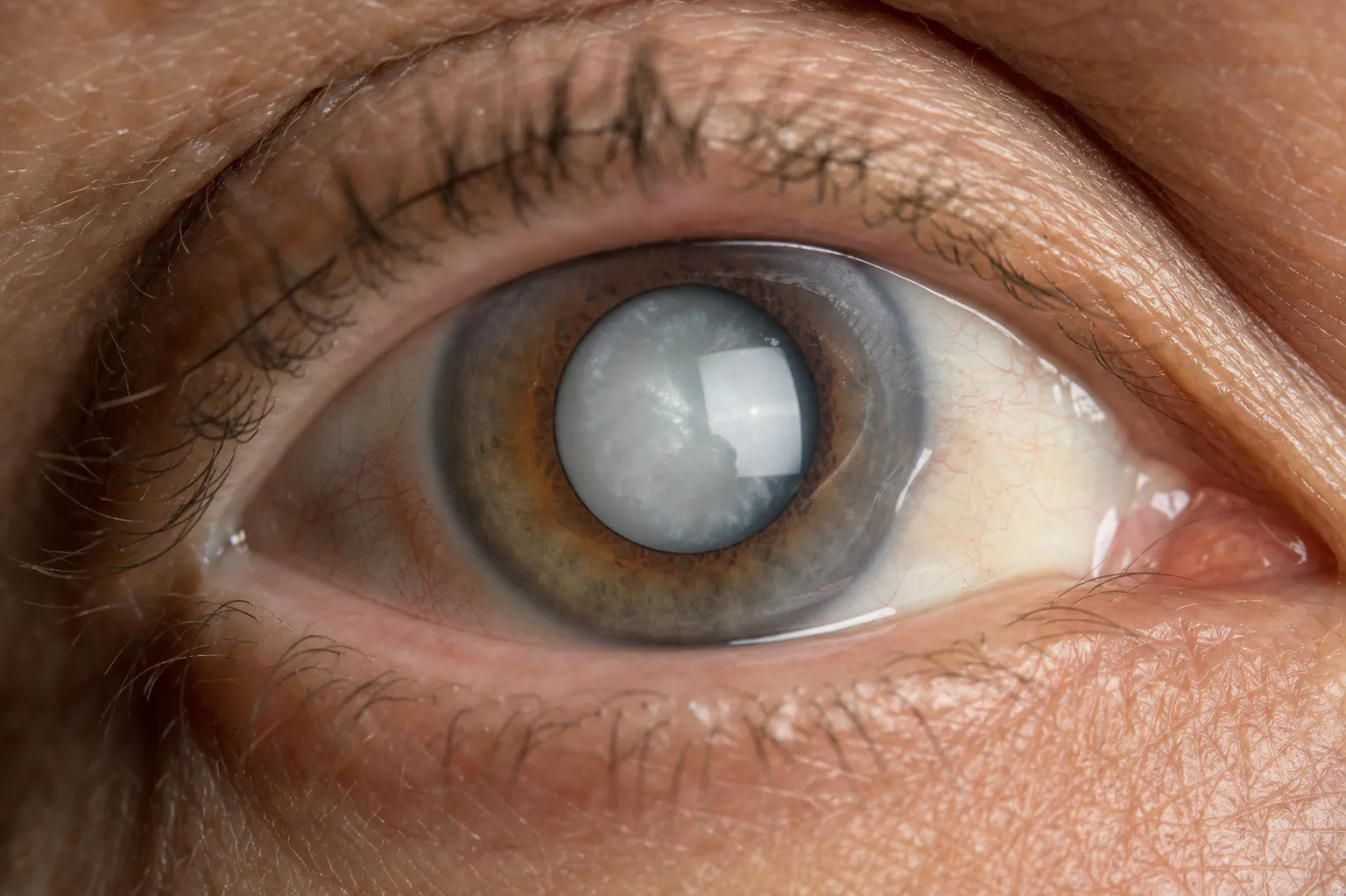
Cataract Surgery
In cataract surgery, we remove the clouded lens and replace it with a clear artificial lens (IOL). We offer multiple lens options to help you achieve your desired vision goals.
Which Lens Should I Pick?
In all cases of cataract surgery, barring any complication, we take out the cloud lens--the cataract--and replace it with a clean artificial lens--the "Intraocular Lens" or IOL-- generally made from either acrylic or silicone. There are many ways to go about deciding which IOL is best for you but a good place to start is in understanding the types of IOL that are available. **Remember that this surgery only removes your cataract and replaces it with an IOL, it does not correct or reverse other ophthalmic conditions. Vision may still be limited by other ocular pathologies**

You can consider these the standard lenses... which doesn't mean they are bad. In fact, around 90% of our patients end up going with these lenses. They are almost always covered by insurance. They do not correct for astigmatism, and they only pick one target: either distance, intermediate or near. Most people wish for good distance vision and then use reading glasses for near. Some people want the opposite, they want near vision and then wear glasses for distance. Others want one eye for distance and the other eye for near (which is called "mono-vision") or intermediate (which is called "mini-mono" vision). Remember, this lens does not correct astigmatism, so if you have residual uncorrected astigmatism after surgery, you will still need glasses. There are pros and cons to all options and it depends on what you are used to and what you want your "base-line" to be.
These lenses, as the name suggests, gives you multiple targets: distance, intermediate, and near. It does not necessarily mean perfect vision at all these targets, but generally it means functional vision at all targets. Some of the older models had increased rates of post-operative glare and halos, but this has gotten less and less frequent with the newest models. Theses lenses are more expensive and not everyone is a candidate.
These lenses treat astigmatism. To understand why treating astigmatism is good, it helps to understand what astigmatism is (please see our Education Page). Most people have minor amounts of astigmatism but if it is small enough it won't be visually significant and as such you won't need theses lenses. There is nuance here (regular vs irregular astigmatism) and factors such as age or even desired visual target (near or distance) can influence the suitability of this lens. During your pre-op exam, the doctor will go over this with you if appropriate. These lenses are more expensive and not everyone is a candidate.
This lens behaves as a an "adjustable Monofocal lens." It is much more accurate, with about twice as many patients ending up with 20/20 uncorrected vision. Since this lens is so accurate and customizable, it is especially powerful for those with history of laser refractive surgery (as this makes calculations more unreliable) as well as those interested in mono- or mini-mono vision. It is a little bit more back and forth post-operatively, but it is worth it as the results will last your lifetime. These lenses are more expensive and not everyone is candidate.
The Process
Clinic visit. We discuss suitability for surgery, discuss lens options and schedule a date.
Please make sure to take your blood pressure and diabetes medication as usual. Also, note that sometimes wait times can get long.
This is critical. We need to see you after surgery to assess your healing, pressure and discuss any do's and don'ts.
Depending on your case, these visits are scheduled to ensure you are healing, discuss surgery in the other eye or any eye glasses, if needed.
Day of Surgery Details
Check-In
You check in at the surgicenter. A secretary will ask for your insurance information and proof of person. From there you go into the pre-op area.
Vitals
A nurse will check your vitals, ask you some medical questions, and then start dilating the operative eye with drops or gel. Then the surgeon will mark you. Then you wait... usually not long, but sometimes it can be on the order of 1-2 hours. Your surgeon most likely has many other surgeries scheduled in a given day. Please be patient.
Surgery Prep
When they are ready, you will be wheeled in to the operating room. They will take your vitals again, another nurse will clean and sterilize the surgical site, another nurse will give you relaxing sedating medications, most likely through your IV, and then the surgery is ready to begin.
Surgery
During the actual surgery, your eye is "numbed" with local anesthesia, but you can sometimes still feel a minor tugging and pressure. Some people fall asleep, but others are awake and relaxed. Every person, every eye, every case is different. If you are awake, you might see some colors of light and you might hear some music or hear some talking.
Post-Surgery
Before you know it, surgery will be finished and the surgeon will patch your eye. You will be wheeled to the post-anesthesia recovery unit (PACU) where you will be monitored before being released.
More Services

Ancillary Imaging
Advanced imaging technology helps us diagnose and monitor eye conditions with precision, from retinal scans to corneal analysis, detecting disease early and guiding personalized treatment.

Pterygium Excision
Pterygium surgery removes an abnormal tissue growth from the eye's surface to relieve irritation, improve vision, and prevent further progression, using techniques to minimize recurrence.
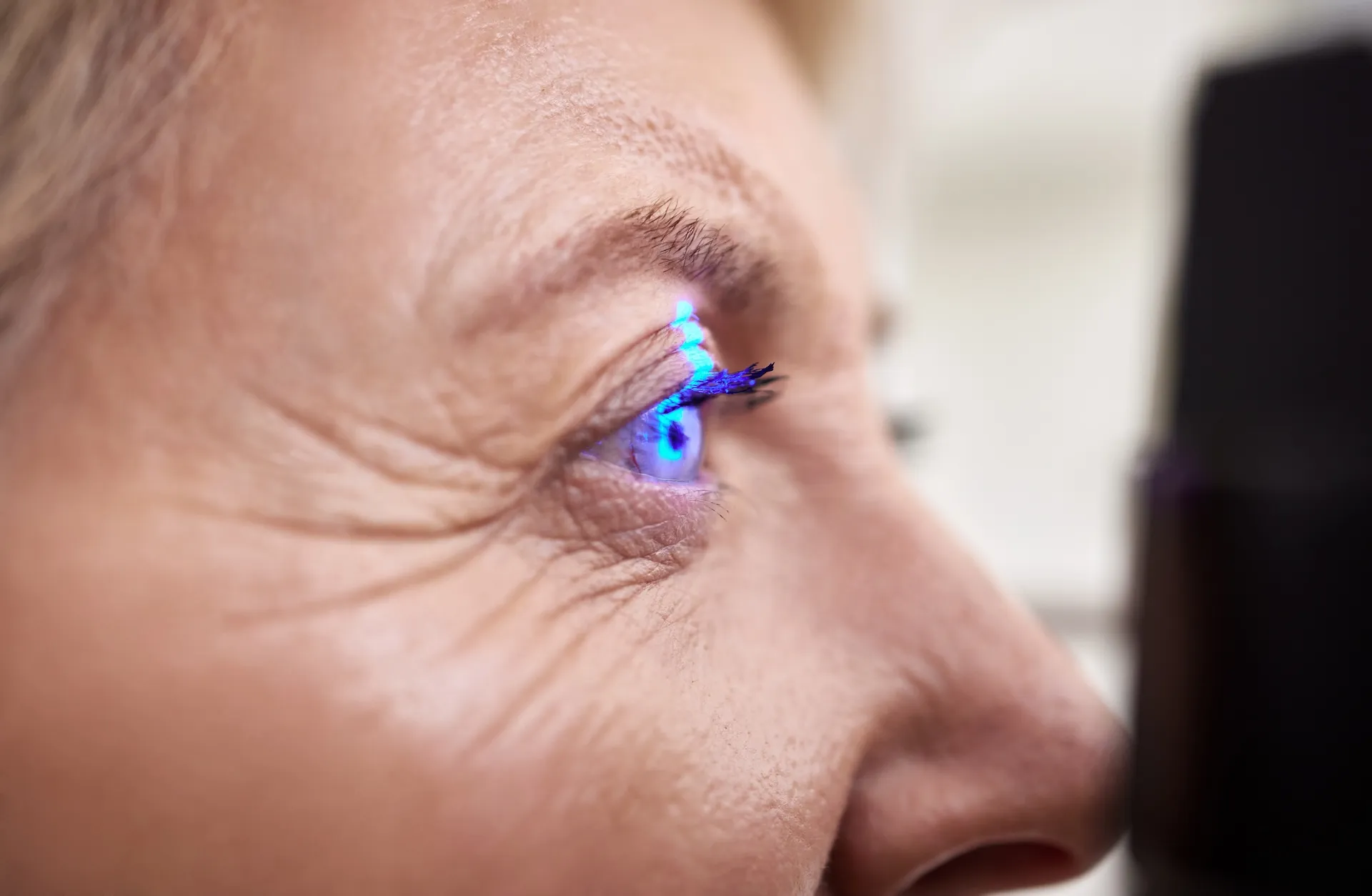
Laser Retinopexy
A quick office procedure using laser technology to seal retinal tears and prevent vision loss by creating a protective scar barrier around the affected area.
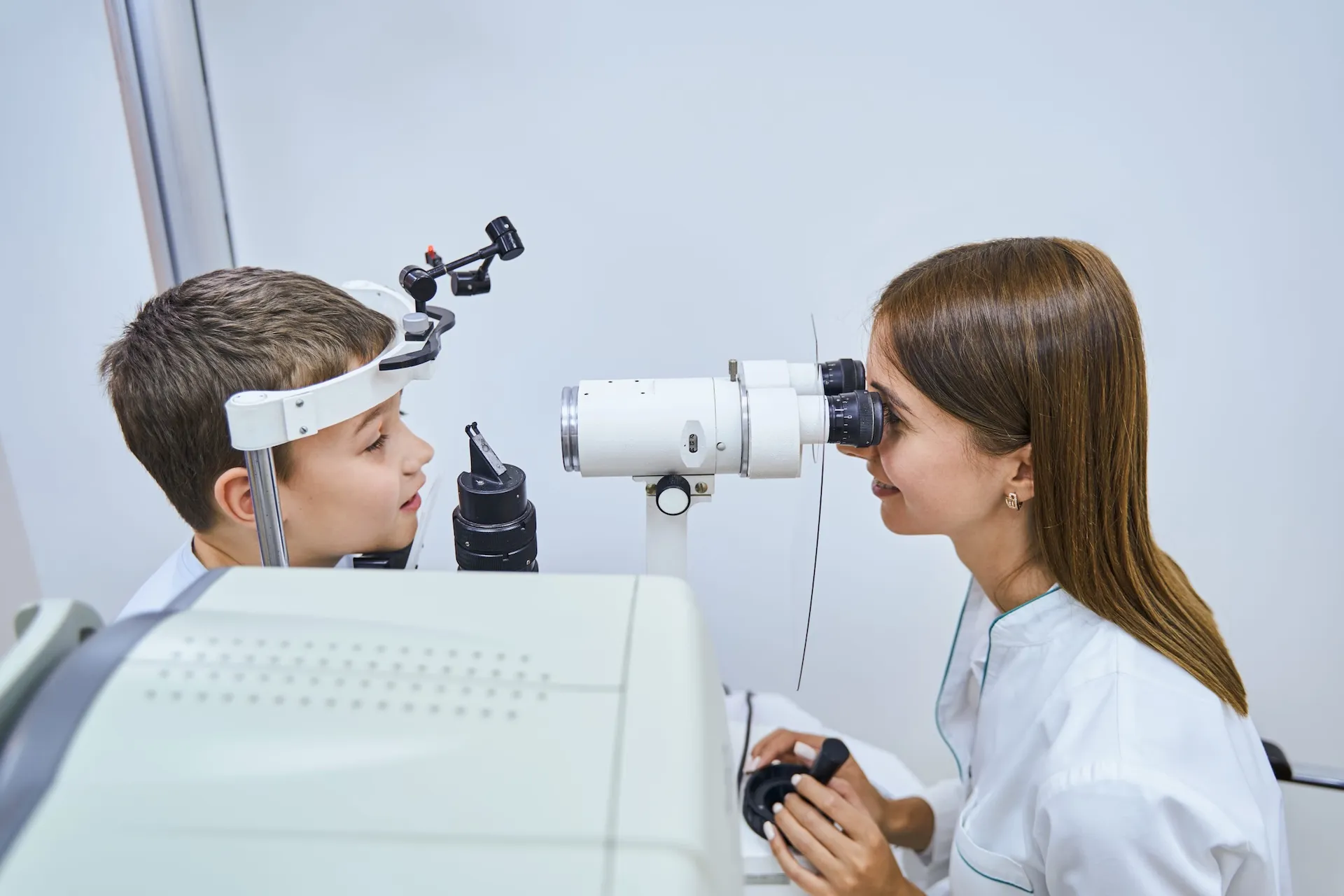
Glaucoma
Glaucoma is a group of eye diseases that damage the optic nerve, most often due to elevated eye pressure. Vision loss is irreversible, making early detection and consistent treatment essential to preserve sight.
See Life More Clearly
Whether you need advanced surgical care or specialized treatment for a complex eye condition, our experienced team is here to help protect and improve your vision. Schedule your appointment today.