
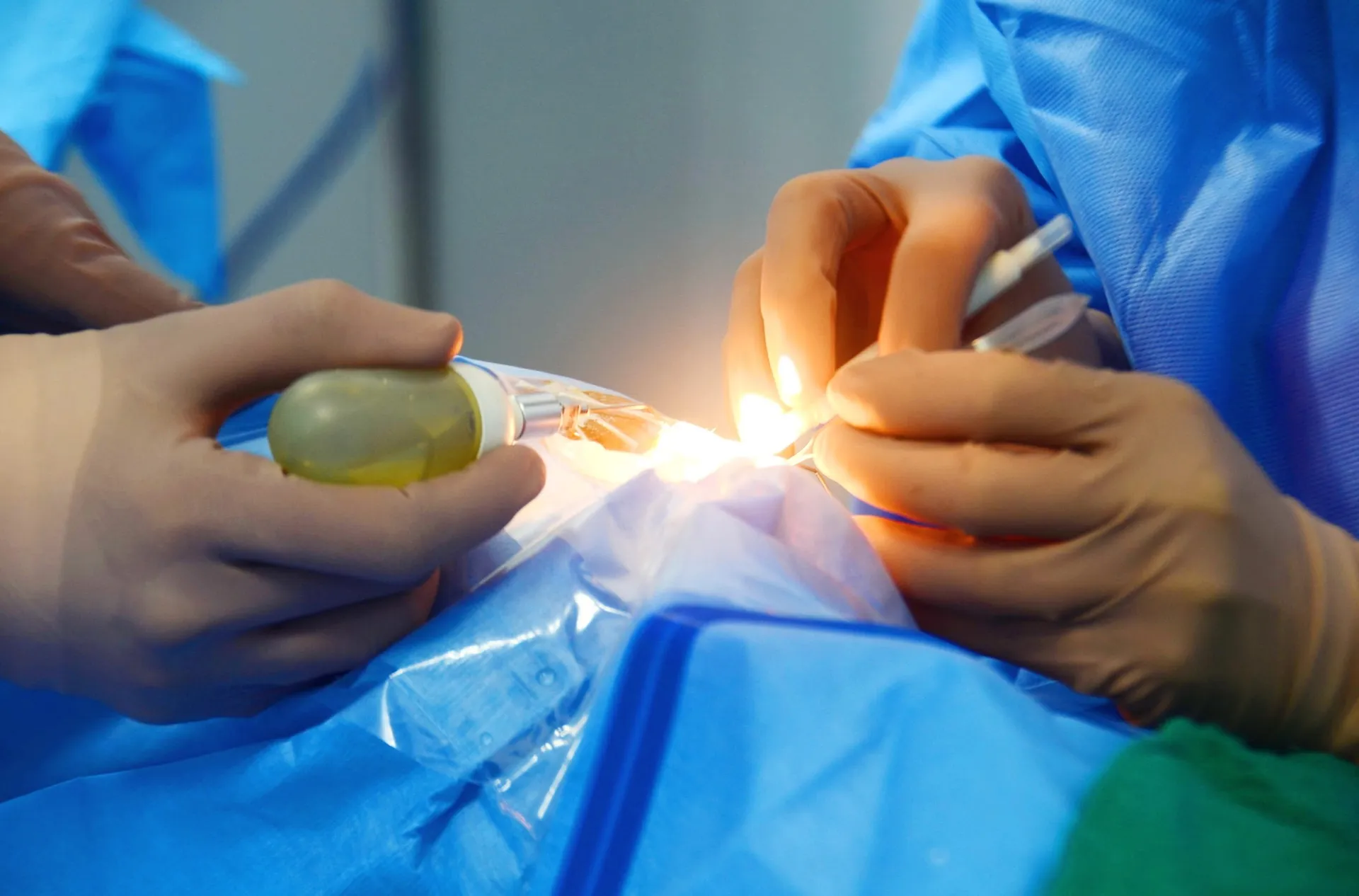
Cornea Transplant
A surgical procedure to replace diseased corneal tissue with healthy donor tissue, restoring clarity and improving vision when the cornea becomes cloudy or damaged.
Corneal Transplant
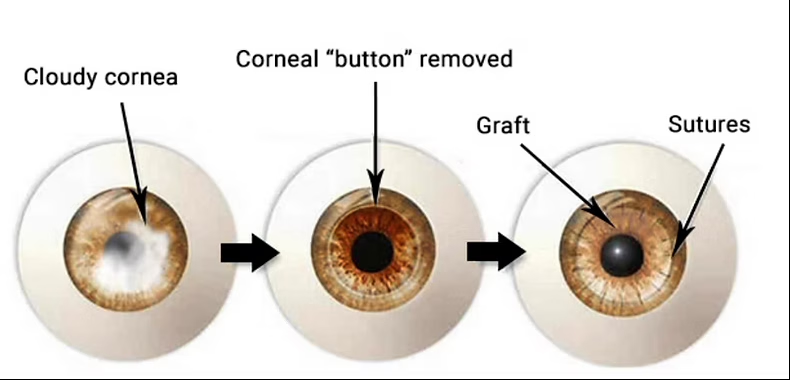
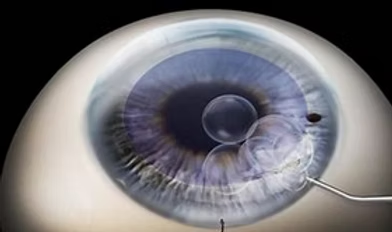
A corneal transplant is a surgical procedure used when the cornea becomes cloudy or distorted and can no longer provide clear vision, most often due to endothelial failure (such as Fuchs dystrophy), corneal scarring, infection, or trauma. The goal of a corneal transplant is to replace the diseased portion of the cornea with healthy donor tissue to restore clarity, reduce pain, and improve vision. The type of transplant chosen depends on which layers of the cornea are affected.
Types of Corneal Transplant

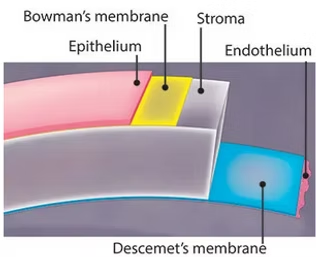
A partial-thickness transplant used when only the innermost corneal layer (the endothelium) is failing. The patient's damaged endothelial layer is removed and replaced with donor endothelial tissue. DMEK transplants only Descemet membrane and endothelium, leading to faster visual recovery and more natural vision.
Like DMEK, DSAEK is a partial-thickness transplant used when only the endothelium is failing. It includes a thin layer of donor stroma, making it slightly thicker than DMEK but technically easier to perform in some eyes.
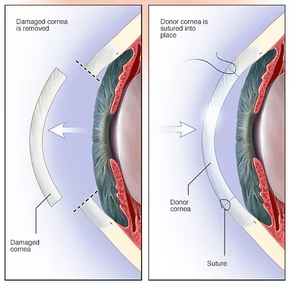
A full-thickness corneal transplant used when all layers of the cornea are significantly damaged, such as with severe scarring, advanced keratoconus, or certain infections. The entire central cornea is replaced with donor tissue and secured with sutures. Visual recovery is slower compared to DMEK or DSAEK, but PK remains an important option when lamellar techniques are not suitable.
More Services
Minimally Invasive Glaucoma Surgery
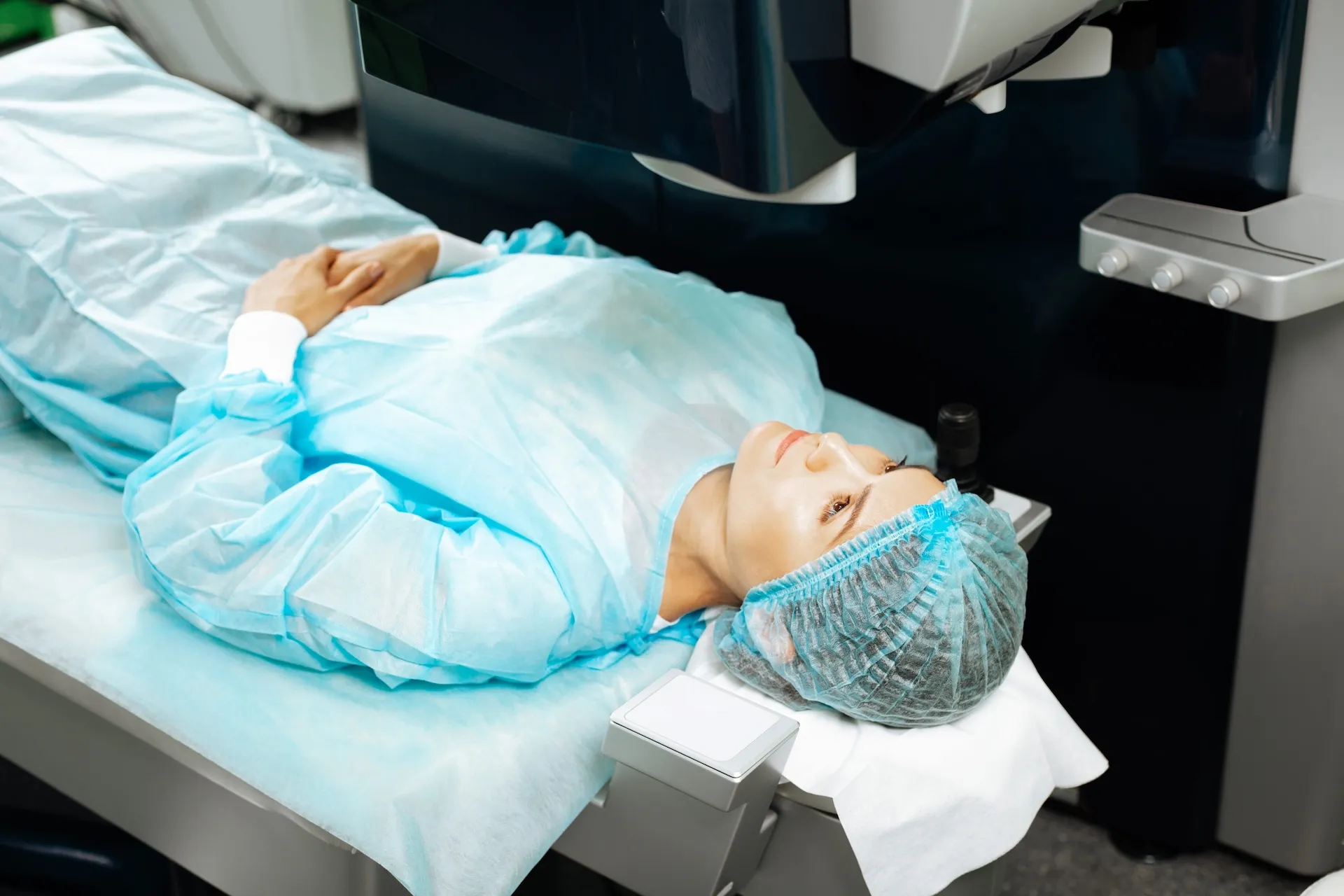
MIGS procedures help lower eye pressure using tiny implants or gentle canal techniques when eye drops alone are not enough, preserving eye anatomy while reducing your need for daily medications.
Glaucoma
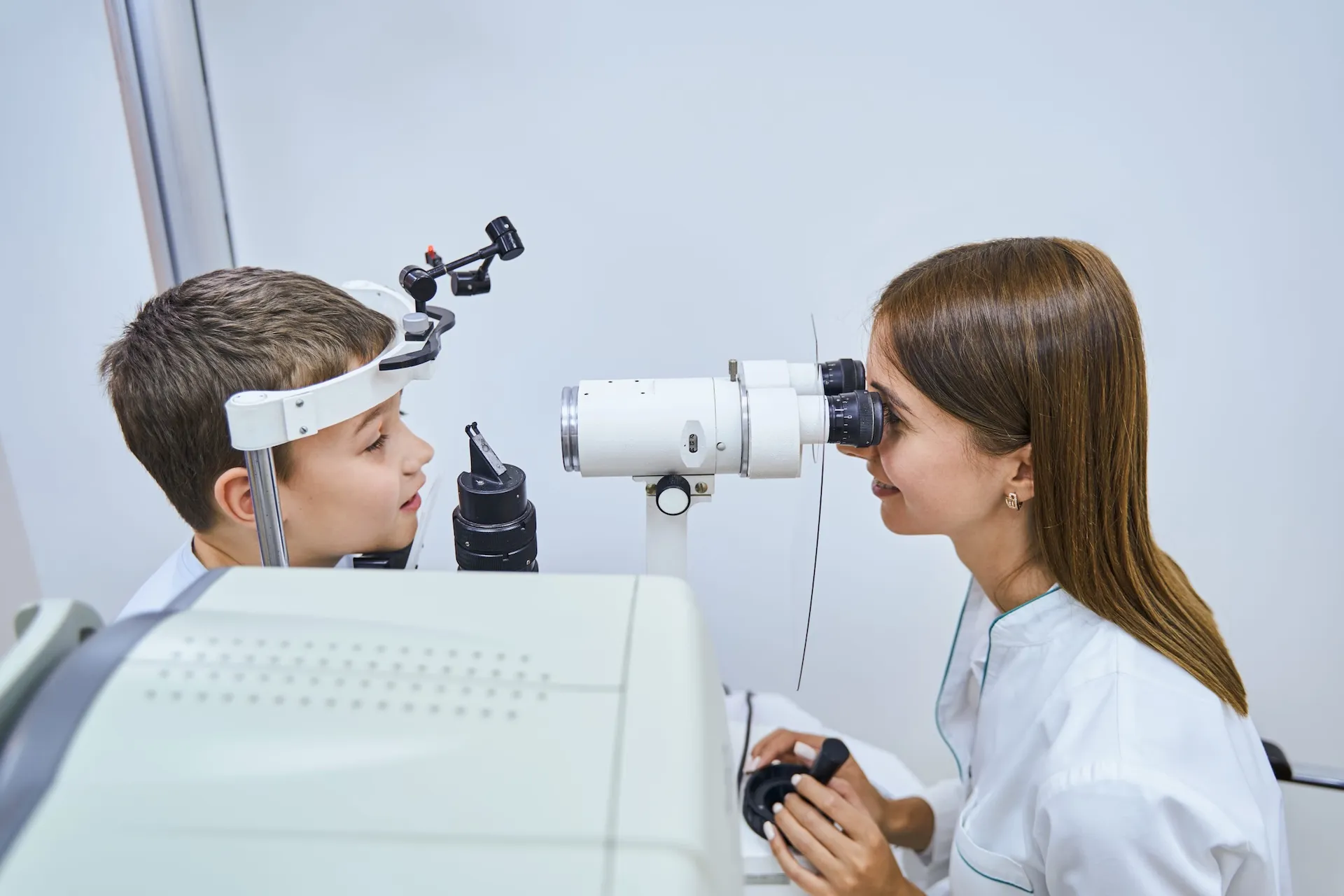
Glaucoma is a group of eye diseases that damage the optic nerve, most often due to elevated eye pressure. Vision loss is irreversible, making early detection and consistent treatment essential to preserve sight.
Laser Retinopexy
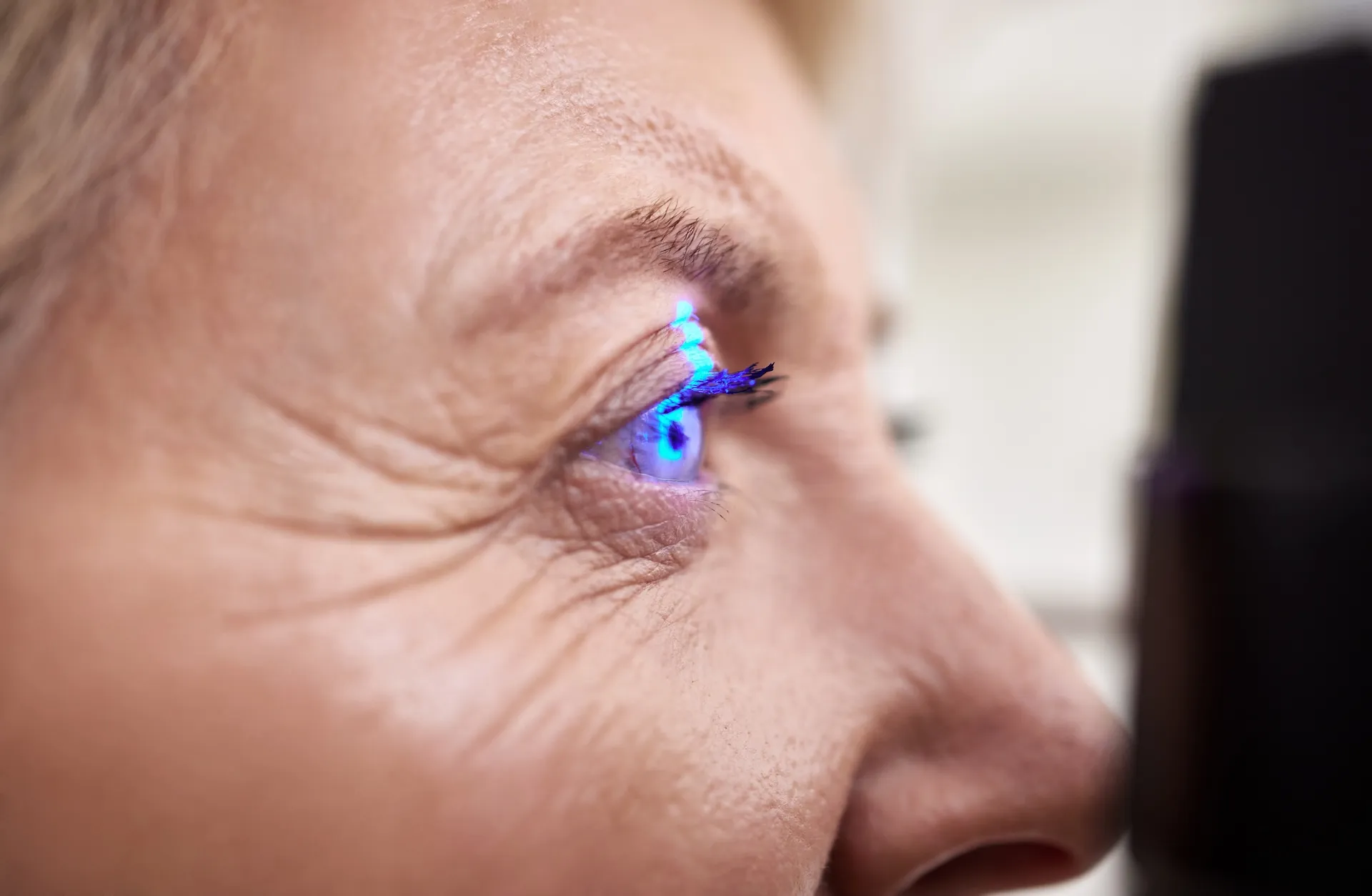
A quick office procedure using laser technology to seal retinal tears and prevent vision loss by creating a protective scar barrier around the affected area.
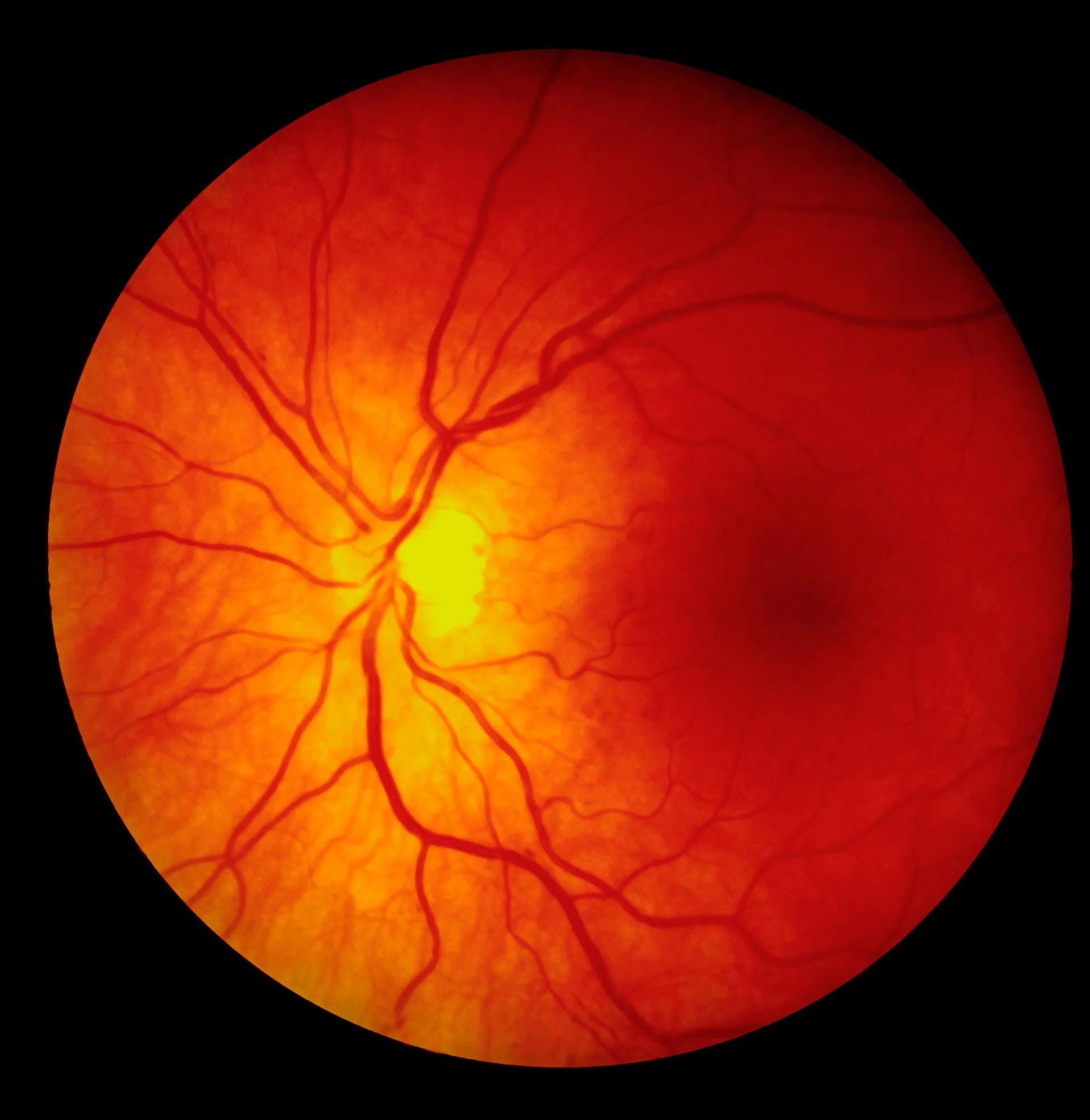
Pan Retinal Photocoagulation
A laser treatment that reduces abnormal blood vessel growth in the retina by applying small burns to the peripheral retina, helping preserve vision in conditions like diabetic retinopathy.
See Life More Clearly
Whether you need advanced surgical care or specialized treatment for a complex eye condition, our experienced team is here to help protect and improve your vision. Schedule your appointment today.