
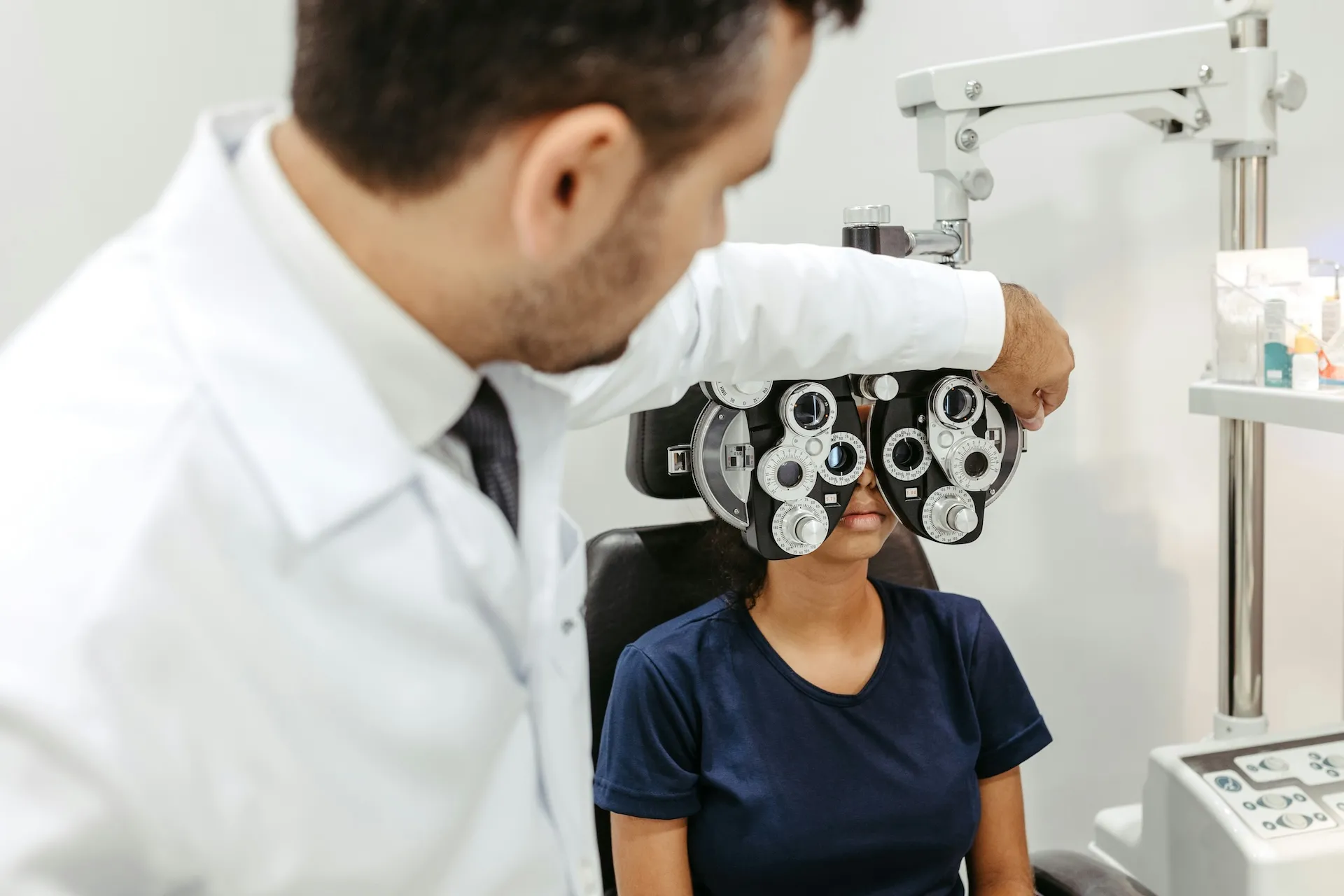
Many people only think about an eye exam when something seems wrong. But a lot of common eye conditions develop slowly and without symptoms, which is why routine comprehensive exams matter even when your vision feels fine.
What a comprehensive exam covers
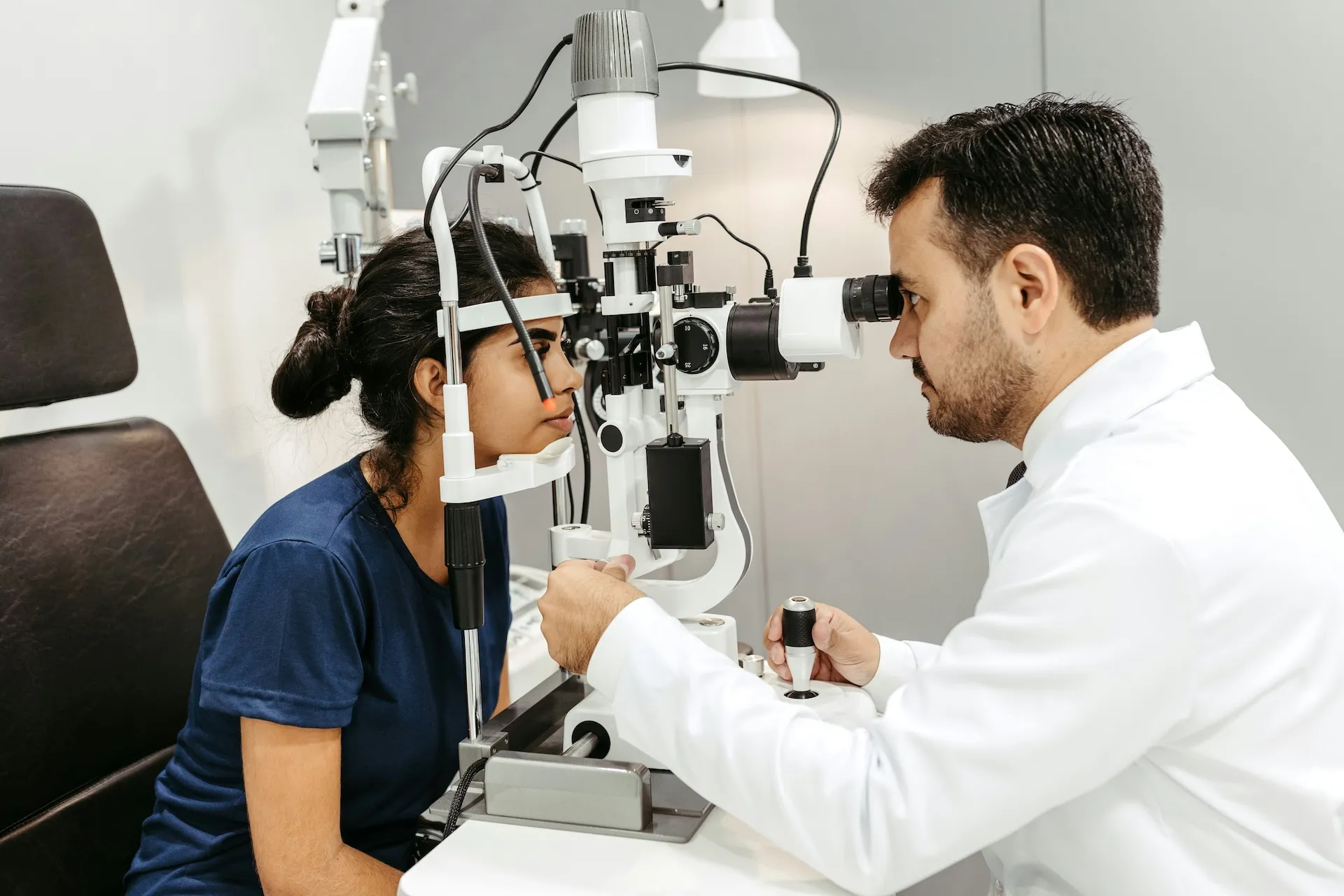
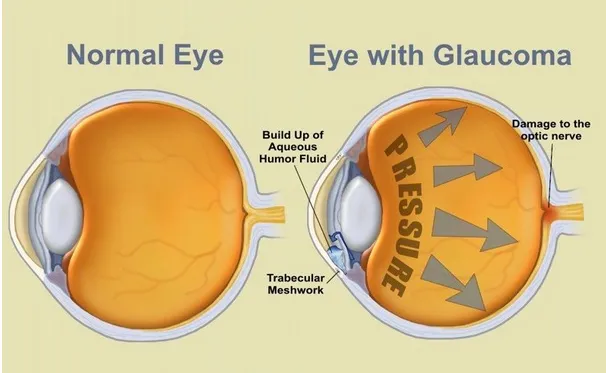
A comprehensive eye exam goes beyond reading letters on a chart. Your doctor checks how well your eyes focus and work together, measures eye pressure, and examines the structures inside the eye, including the retina and optic nerve. This is how early signs of conditions like glaucoma, cataracts, and diabetic eye disease are caught.
General guidelines by age
Adults with no symptoms or risk factors are generally advised to have a baseline exam by age 40, when early age-related changes can begin. After 65, exams every one to two years are commonly recommended. Your doctor may suggest more frequent visits if you have diabetes, high blood pressure, a family history of eye disease, or take medications that can affect the eyes.
Don't wait for symptoms
Sudden changes like flashes of light, a curtain over your vision, eye pain, or a rapid loss of vision need prompt attention. Call us right away if you notice any of these.
Not sure when you last had a full exam? Our team can help you find a schedule that fits your eye health needs.

See Life More Clearly
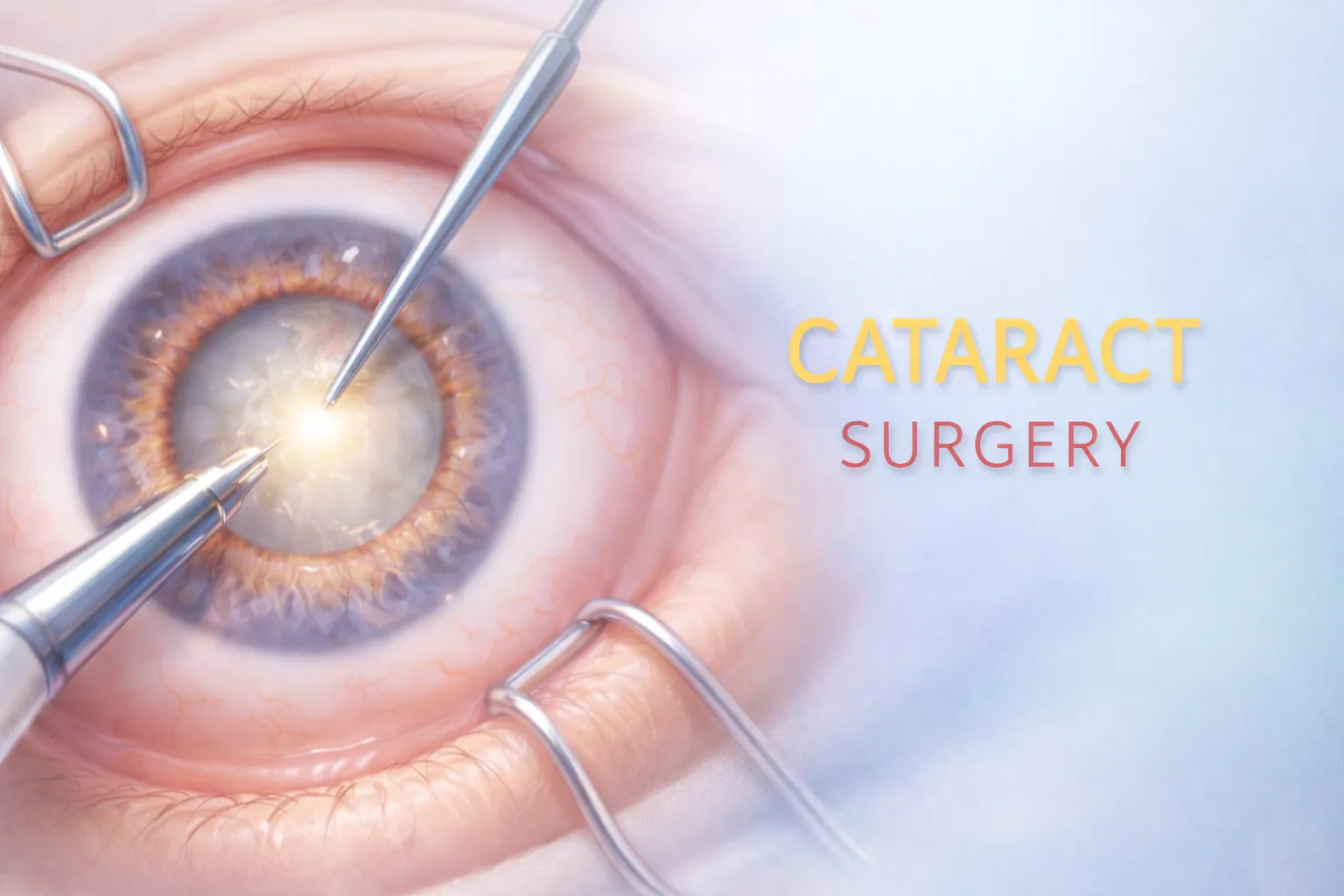
Whether you need advanced surgical care or specialized treatment for a complex eye condition, our experienced team is here to help protect and improve your vision. Schedule your appointment today.